How Does Moving Affect Your Culture?
Most immigrants will tell you that they experienced culture shock when they moved to a new location. But what exactly does this look like, and how does it impact them?
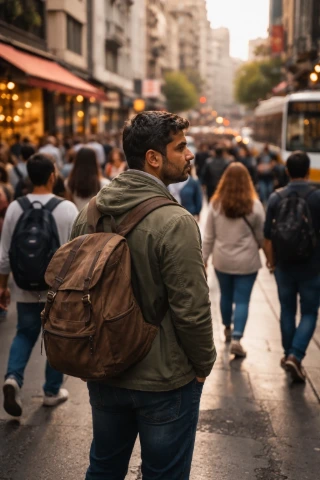
Disorientation
All societies have cultural rules that dictate how people behave. Thanks to these, people know what to expect from others and what is expected of them in everyday tasks, such as shopping, taking public transport, or even talking to other people. But when immigrants move to other places, they often find that what they had relied on in the past no longer works in their new homes. It can leave them feeling isolated from the rest of society.
Self-Doubt
As immigrants come to terms with the fact that they are subject to new cultural norms, they are also likely to feel like they fall short of the expectations. Whether they are working alongside locals or even going out to eat, they are likely to doubt if they are doing things correctly, and this can leave them feeling exposed. Some of them may feel that they do not really belong to their new homes.
Identity Loss
Many people shape their identities around their cultures and when they move away, they often find that these identities also get lost. For example, in a culture where someone is accorded respect for having earned a certain title in society, that may not translate to their new home. And they may find themselves struggling to fit into a new society where their past credentials no longer hold the weight they once did.
Generational Disconnects
Immigrants often find that while they struggle with fitting into their new societies, their children often do not. In fact, young children, as well as children born in the new locations, pick up the cultural norms fast, and this often creates a divide between the parents and their children as they may have different beliefs and ways of doing things.
What Coping Mechanisms Work?
Most immigrants find that the key lies in blending their new cultures with their own rather than replacing one culture with the other. But aside from dual identity, they also embrace the following options:
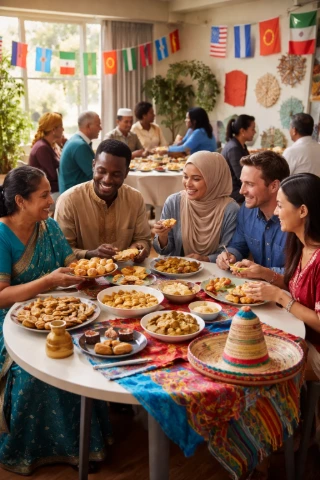
Cultural Preservation
As immigrants settle into new cultures, they can easily lose touch with their roots. This concern is especially so when raising children in a new environment, which is quite different from their homeland. To prevent this, immigrants often find ways to keep their cultures alive. Examples include:
- Cooking meals that are native to their homes.
- Speaking their native language at home.
- Celebrating cultural holidays.
- Wearing cultural dressing.
These small and big ways serve as reminders of their cultural identities, thus helping them stay true to their roots while living in a new home.
Code-Switching
Given that new environments spell different norms, many immigrants soon learn that they can have their cake and eat it. How? When away from their homes, they comply with the cultural norms so as to fit into the society and remain respectful of others. And when they come home, they go back to their cultural activities, such as speaking their language, dressing in cultural clothes, and changing their tone of voice.
Community Building
One of the reasons many immigrants feel lost is that they miss being around people who understand them. But thanks to diaspora communities, they do not have to be alone. Immigrants often seek out communities with similar cultural roots, as these serve as safe spaces where they can engage with others. Not only can they talk freely about the challenges they are facing, but they can also make friends and find practical advice on matters such as housing and careers.
Some also get professional counselling to help them process their emotions as they settle down.