Top Documentation Approaches
For us to preserve our cultures authentically, researchers are tasked with using accurate and ethical approaches. And below are some of the most used options in this regard:
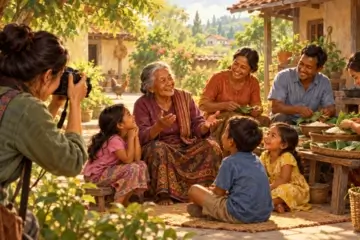
Photography
There is nothing like looking at a candid photo of a cultural moment to understand what life is or was like for a certain community. After all, photos are able to capture details such as facial expressions, physical surroundings, cultural processes, and even objects, which people can refer to for centuries. Best of all, photographs speak to all people, regardless of their language. By simply looking at a photograph, you can take in the emotional message echoed through the image, thus connecting you to the humanity of the people who share that culture.
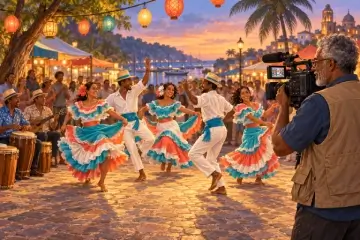
Videography
Photos are great at capturing moments. But truth be told, they are snapshots that represent culture as if it were static, yet it is not. Videos address this gap by capturing everything from the images to the sounds that represent a community. Whether videographers are following a dance or taking footage of a market day, they are able to immerse viewers into the experience, where they can tune into aspects such as body language, the tones of voices, and other cultural nuances that photos cannot represent.
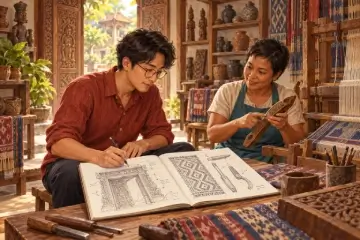
Drawings
While photography is often the easier approach, it is not always the best option. Examples include cases where photography is not allowed or where photos may miss complex details. In these instances, observers turn to sketching the cultural elements that they want to preserve, and they can do this by hand or by digital tablet. Often, sketches are used to highlight highly intricate details, such as architectural layouts, clothing designs, or cultural tools. And they usually have notes beside them to explain the importance of each element.
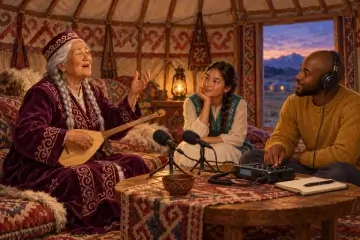
Audio Recordings
In many cultures, people pass down their practices from one generation to another through word of mouth. Sometimes, they do this by telling stories, and in others, they use chants, poems, songs, or other creative expressions. Given that simply writing down the words can leave out the emotions in these expressions, researchers thus prefer recording the sounds so as to preserve the ebbs and flows that make the pieces unique.
Personal Stories
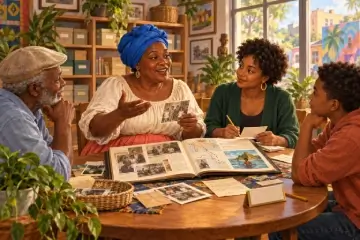
To avoid erasing people’s culture by having outsiders tell their stories, researchers now engage with local community members who get to share their lived experiences. From migrations to local legends, locals get to have a say in how the world remembers their culture, thus ensuring that marginalized populations have a voice instead of having their histories rewritten.
Ethical Concerns
To protect the local communities, researchers are bound to ethical guidelines when embarking on cultural preservation. Much of this involves getting informed consent from participants, being respectful of sacred and cultural protocols, and ensuring that communities benefit from their participation.